2025年故宫博物院迎来建院百年,本片通过新华社记者张扬的视角,记录这座从帝王宫殿走向人民博物馆的紫禁城在百年节点上的全新面貌:镜头见证数字技术让文物跨越宫墙栖身方寸屏幕,追踪文物修复师在科技与传承间延续文明血脉,追寻一代代故宫人从守护宫殿到重塑文化价值的思考轨迹,展现故宫IP以多元姿态焕发新生机的当代实践。这不仅是⼀场百年庆典的序幕,更是⼀场关于⽂明守护、价值重⽣与未来连接的深刻对话。
通过对哈夫特贝菲尔及其亲友的私密访谈,本片展现了这位德国饶舌偶像的幕后故事,看他如何以不加掩饰的真实角度审视自己的生活。
Having successfully tracked down NBA enigma Bryant Reeves in 2018’s festival hit FINDING BIG COUNTRY, director Kathleen S. Jayme now investigates a sprawling true sports crime: who’s responsible for robbing us of the Vancouver Grizzlies? In revisiting the short history of the bad luck bears who racked up all the wrong kinds of records (see that 23-game losing streak in the 1995-1996 season), Jayme’s documentary doubles as a testament to the enduring passion of true teal blue fans. It’s this passion that fuels a dogged odyssey that finds Jayme infiltrating corridors of power at the NBA’s head offices and knocking on doors as she connects the dots and reconnects with the heroes and villains of Grizzlies lore, including former players like Shareef Abdur-Rahim and Mike Bibby, and the team’s architect, Stu Jackson. The level of access is astonishing—there are “gets” that we don’t dare reveal—and so too is the candour of the interviewees. What emerges is a rousing story about the irrational fervour of fandom and sport’s unique ability to create identity, strengthen family ties, and forge community.
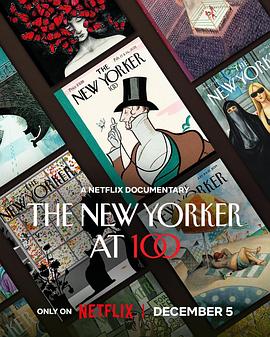
《纽约客》杂志首次向奥斯卡奖获奖导演马歇尔·柯里敞开办公室大门,在媒体发展的关键时刻,以前所未有的方式让读者得以一窥其新闻编辑室,为观众提供了一个难得的视角,展示了《纽约客》如何经历百年风雨,出版勇敢无畏的新闻报道、定义时代的小说和令人难忘的漫画。
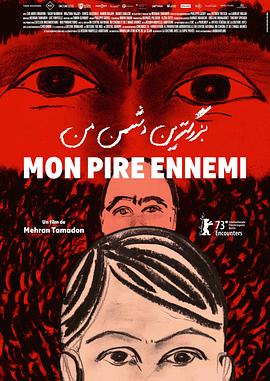
Mehran Tamadon explores what it was like being interrogated by the Iranian regime by asking prisoners to reconstruct their experiences. Alongside his companion film Where God Is Not, My Worst Enemy finds Tamadon shifting focus from the interrogated to the interrogator. The filmmaker sought an individual who had been interrogated by Iranian authorities in order to draw on their experiences to play an interrogator. The role finally fell to the Cannes-winning lead actor of Holy Spider, Zar Amir Ebrahimi. Together in an anonymous room, with Tamadon stripped to his underwear, they reconstruct the interrogation process, which gradually becomes an examination of the nature of power and coercion. The resulting film is intense and, at times, uncomfortable. And as it progresses, My Worst Enemy becomes an exploration of cinema’s relationship with its audience, questioning whether there is a limit to what it can show.